Polarized vs Non Polarized Sunglasses: Which to Choose?
Polarized lenses reduce glare from reflective surfaces, while non-polarized lenses simply darken the view. Which one is better depends on where and how you spend time outdoors. This comparison helps you decide for sports and everyday use.
Key differences at a glance
Non-polarized lenses reduce overall brightness through tint. They make a scene darker but do not specifically filter reflected glare.
Polarized lenses add a filter that blocks much of the horizontal light reflected from surfaces like water, wet roads and glass. Tint level and polarization are separate, so a polarized lens can be light or dark.
In short: non-polarized lenses dim the light, polarized lenses also target glare.
Where polarized lenses win
If your routes involve water, wet pavement, snow or lots of parked cars, polarized lenses can feel noticeably more comfortable. Runners, cyclists, anglers and boaters are common examples.
Because they reduce reflections, you may squint less during long sessions in strong sun. That can make a long outdoor workout more pleasant.
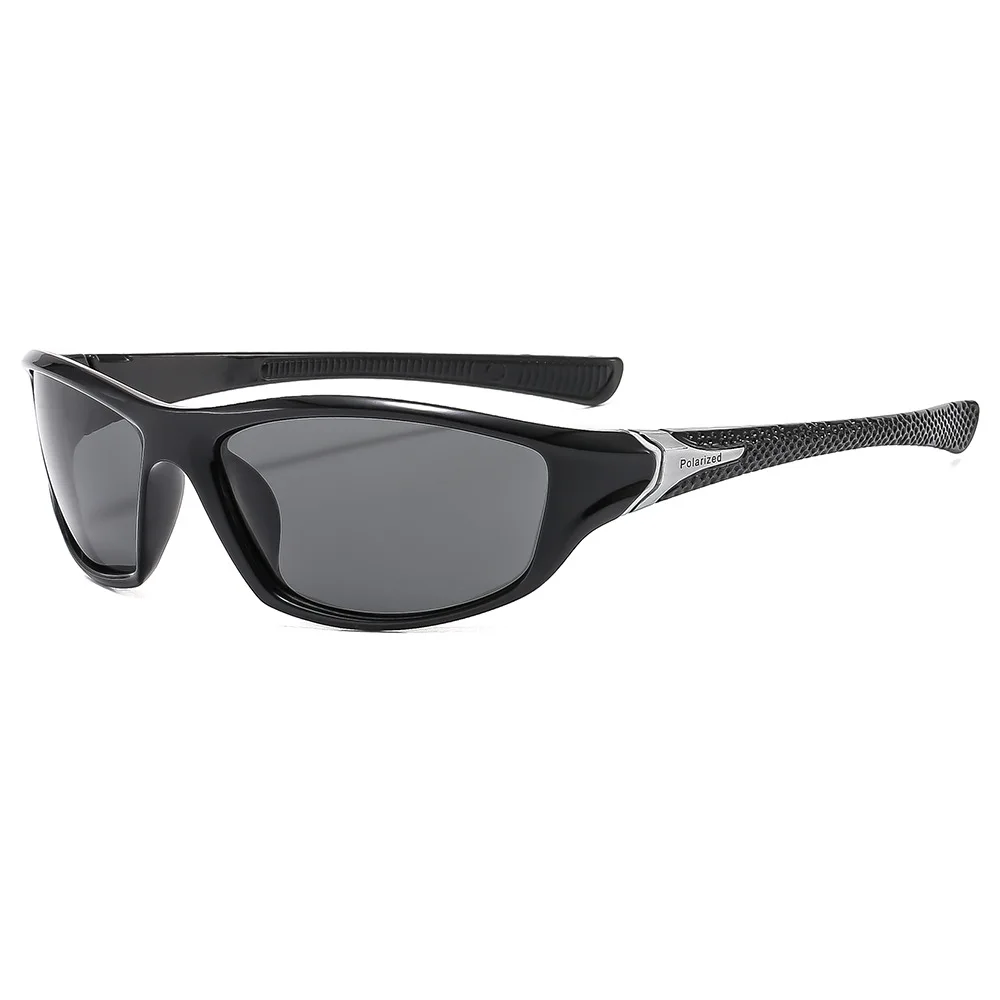
The Polarized Sports Sunglasses from Stillglare are designed with this use in mind, pairing glare-reducing lenses with a lightweight frame.
Where non-polarized lenses make sense
Some screens, like certain bike computers, phone displays or dashboards, can look dim or uneven through polarized lenses. If you check a display often, non-polarized lenses may be easier.
They can also be a fine choice for mostly shaded or low-glare activities, such as wooded trails, where reflections are not a big issue.
Always verify UV protection separately, since neither lens type guarantees it by itself.
How to decide
Think about your typical setting. Lots of reflective surfaces point toward polarized. Frequent screen checking or shaded terrain may point toward non-polarized.
Then consider fit: a light frame that stays in place matters more for sport than any lens feature alone.
If you want one pair for running, cycling and other outdoor activities, the Polarized Sports Sunglasses are a practical all-round option to look at.
FAQ
Is polarized better than non polarized?
Not always. Polarized is better for reducing glare on reflective surfaces, while non-polarized can be easier with some screens.
How can I tell if sunglasses are polarized?
Look at a screen or reflective surface through the lens and rotate the glasses. If the view changes noticeably, they are likely polarized.
Do polarized lenses always protect against UV?
No. UV protection is a separate feature, so check the product details.
Also worth reading: Polarized Running Sunglasses · How Do Polarized Sunglasses Work?