How Do Polarized Sunglasses Work? A Simple Guide
Polarized sunglasses use a special filter in the lens that blocks a portion of the horizontal light waves that cause glare. The result is a calmer, more comfortable view on bright days, especially near water or roads. Here is what that means for everyday sports use.
The basic idea behind polarization
Light from the sun travels in waves that vibrate in many directions. When it hits a flat surface like water, wet asphalt or glass, much of it reflects in a horizontal direction. That is what we experience as glare.
A polarized lens contains a filter with a vertical orientation. It lets vertical light through and blocks much of the horizontal light. Less reflected glare reaches your eyes, so bright surfaces look less harsh.
This is a physical filter, not a coating you can feel, so you will not see it by just looking at the lens.
When polarized lenses help most
Glare is most noticeable around reflective surfaces. Typical situations include running on wet roads, cycling in low morning sun, walking by a lake or driving on a bright day.
In these settings, polarized lenses can make it easier to look at the scene without squinting. Colors and contrast often feel more natural because the bright reflections are reduced.
They are less relevant indoors or in very dim light, where there is little glare to filter.
Things polarization does not do
Polarization reduces glare, but it is not the same as UV protection. Those are separate features, so always read the product details to see what a pair offers.
Some digital screens, such as certain phone or bike computer displays, can look darker or patchy through polarized lenses. If you rely on a screen while training, try it out with your device.
Polarized lenses also do not make a lens darker on their own; tint and polarization are different properties.
Choosing a sports pair
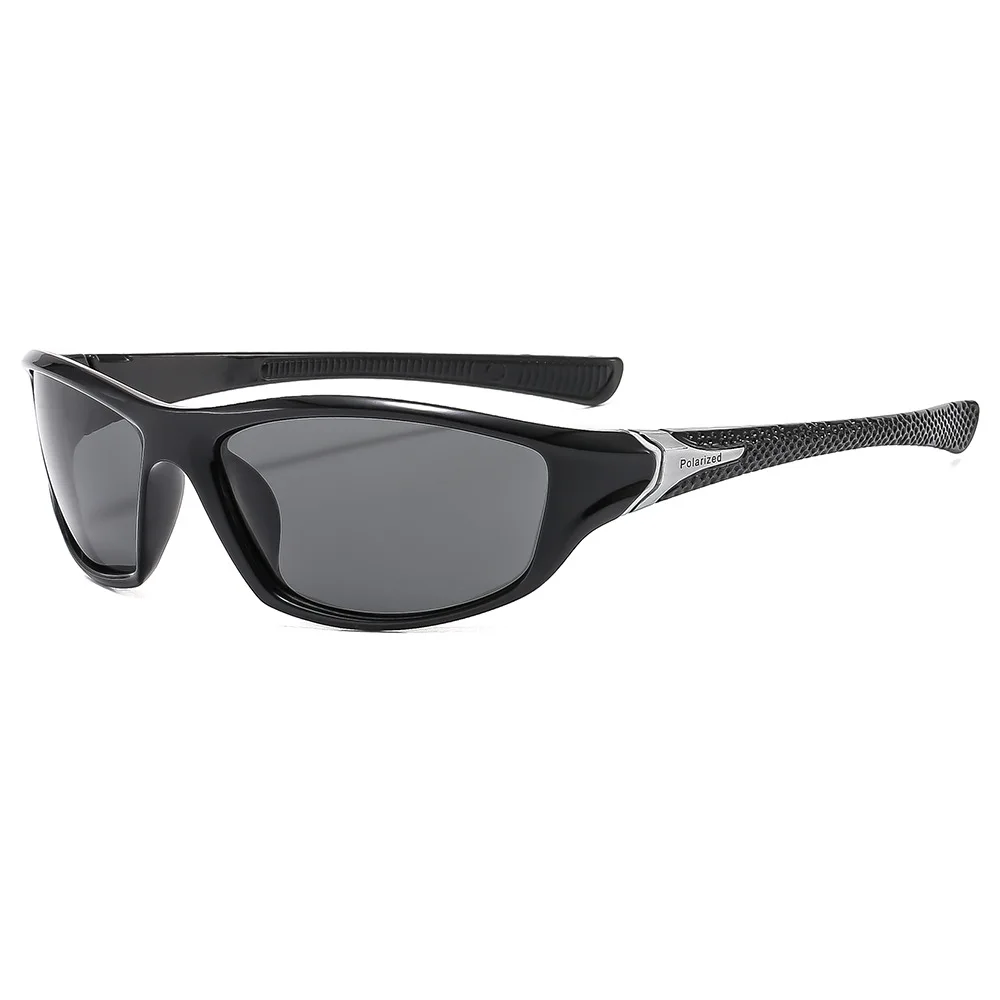
For active use, pair polarized lenses with a frame that is light and stable. The Polarized Sports Sunglasses from Stillglare are made for running, cycling and other outdoor activities, with lenses that help reduce glare from sunlight and reflective surfaces.
Before buying, think about where you spend most of your time outside. If your routes include water or wet roads, polarization is especially useful.
Check the fit as well: even great lenses are of little use if the frame bounces or slides.
FAQ
Do polarized lenses block UV light?
Not automatically. Polarization and UV protection are separate features, so check the product description.
Can I see my phone screen with polarized sunglasses?
Often yes, but some screens can look dim or uneven at certain angles. Tilting your head or the device usually changes this.
Are polarized sunglasses worth it for sports?
They can be helpful if you train near water or on reflective surfaces. For mostly shaded routes, the benefit is smaller.
Also worth reading: Polarized Running Sunglasses · Polarized vs Non Polarized Sunglasses