Over-Ear vs In-Ear Headphones: Which Suits You?
Over-ear headphones offer larger cups, more padding and a roomier sound, while in-ear models win on size and portability. Your choice depends on where and how long you listen.
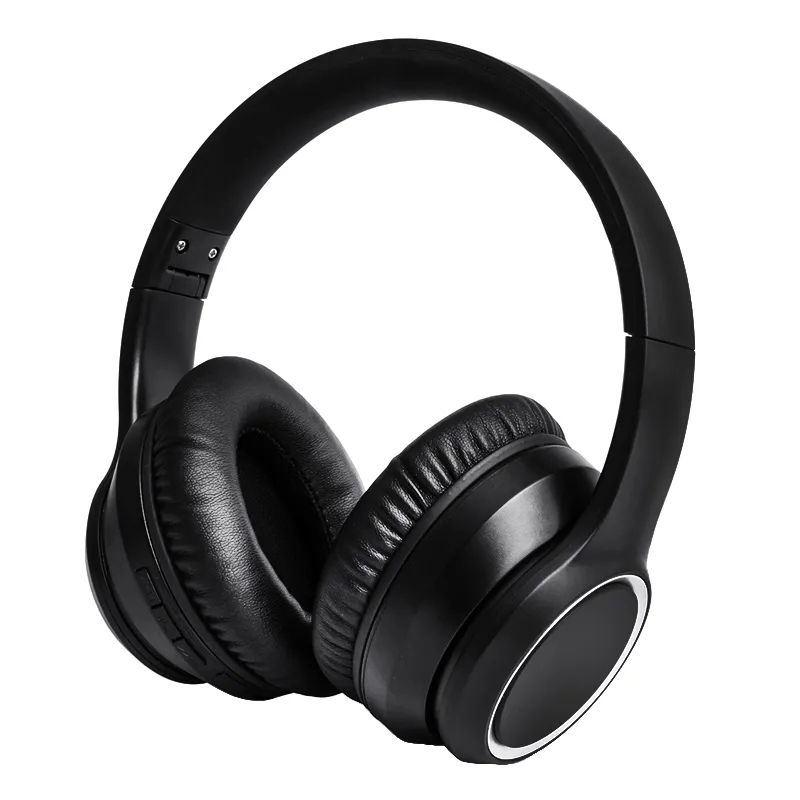
Comfort and fit
Over-ear headphones rest around the ears on cushioned cups. There is no part inserted into the ear canal, and many people find this comfortable for long sessions. The headband adds weight on top of the head, so adjustability matters.
In-ear models sit in or at the entrance of the ear canal. They are light and unobtrusive, but fit depends on ear shape and tip size, and some people find them tiring after a while.
If you listen for hours at a desk or on a journey, over-ear designs are worth a close look.
Sound and noise blocking
Larger drivers and bigger cups give over-ear headphones space to deliver full, bass-rich sound. The cups also block some outside noise just by covering the ear.
In-ear headphones can seal the ear canal well, which can also isolate sound, but the soundstage tends to feel more compact.
The Noise Cancelling Deep Bass Headphone combines both advantages of the over-ear style: a bass-focused sound profile and noise cancelling to reduce steady background sounds.
Portability and everyday use
In-ear headphones fit in a pocket and are easy to take anywhere, which suits workouts and quick errands. Over-ear headphones need more room, so a bag or case is usually needed.
On the other hand, an over-ear headset is easy to put on and take off, and can rest around the neck between listening sessions.
For travel, many people accept the extra size in exchange for padding and quieter surroundings. The Bassqueak over-ear headset is designed for home, commuting and travelling.
Which should you choose?
Choose over-ear if comfort during long sessions, fuller sound and a quieter background matter most. Choose in-ear if you want the smallest, lightest option for active use.
Think about your main routine. If you mostly listen to music, videos or entertainment at home and on the move, and enjoy strong bass, the Noise Cancelling Deep Bass Headphone is a sensible pick.
If you want both, plenty of people keep an over-ear pair for long listening and a small in-ear pair for the gym.
FAQ
Are over-ear headphones better than in-ear?
Neither is better overall. Over-ear models usually offer more padding and a roomier sound, while in-ear models are smaller and easier to carry.
Which type blocks more outside noise?
Both can reduce noise. Over-ear cups cover the whole ear, and models with noise cancelling, like the Noise Cancelling Deep Bass Headphone, add electronic reduction.
Which is better for bass?
Larger over-ear drivers often give fuller low end, although sound depends on the tuning of each model.
Also worth reading: Noise Cancelling Headphones for Travel · How Does Noise Cancelling Work? Buyer Guide