How Does Noise Cancelling Work in Headphones?
Noise cancelling headphones use built-in microphones and electronics to create sound that counters steady outside noise, so it becomes less noticeable. Here is what that means in practice and how to choose a pair.
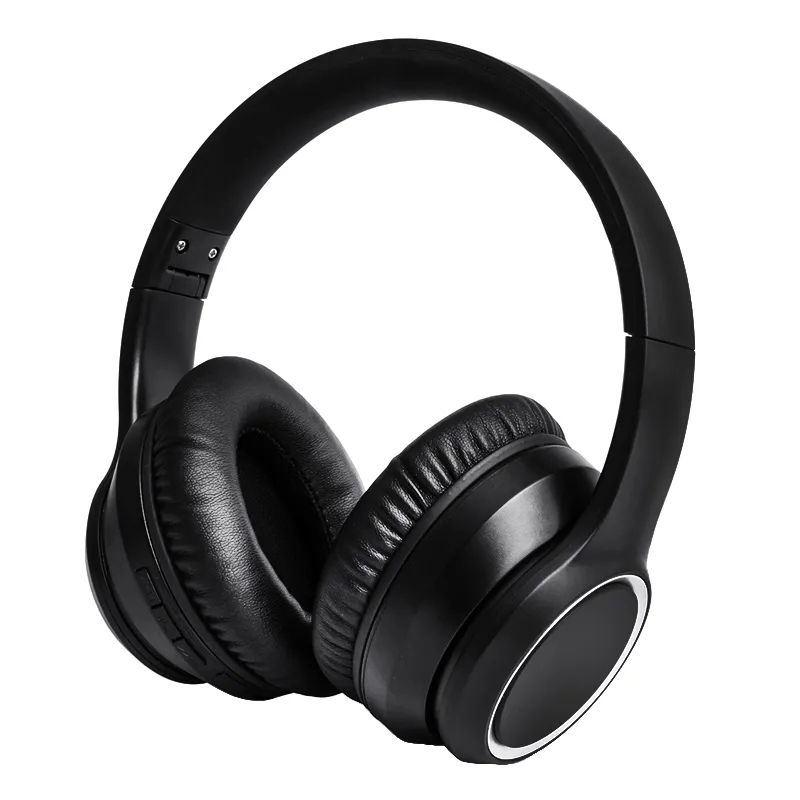
The basic idea
Noise cancelling, often called active noise cancelling, relies on small microphones that pick up ambient sound. The electronics then produce a matching signal designed to work against that noise before it reaches your ear.
This works best on constant, low-pitched sounds such as a humming engine, a fan or traffic rumble. Sudden or high-pitched sounds, like speech or clattering, are much harder to counter.
The physical design matters too. Padded ear cups that sit snugly around the ear also block some sound passively, and the two methods together give a calmer listening space.
What it can and can't do
Noise cancelling reduces background noise but does not create silence. You will usually still hear some voices, announcements or sharp sounds.
Its main benefit is that music, videos and calls can be easier to follow without raising the volume too far. That is useful on commutes, flights and in busy rooms.
Some listeners notice a slightly different sensation when the feature is switched on, while others don't. If you are sensitive to that, try the headphones for a short period first and see how they feel.
Over-ear versus other styles
Over-ear headphones have large cups that surround the ear, giving room for padding and electronics. This makes them a common choice for noise cancelling.
The Noise Cancelling Deep Bass Headphone from Bassqueak follows this approach: an over-ear stereo design with padding for comfortable listening at home, on the go or while travelling.
Smaller formats can be easier to carry, but they usually offer less cushioning around the ear. Think about where you will use them most before deciding.
Checklist before you buy
Check how the headphones connect and what power source they need, as noise cancelling electronics usually require power. The product page lists the details for each model.
Look at comfort features such as ear cup padding and headband fit, particularly if you plan to wear them for long periods.
Consider your listening taste. The Noise Cancelling Deep Bass Headphone has a bass-focused sound profile, which suits music with strong low end, as well as videos and general entertainment.
FAQ
Does noise cancelling need power?
Generally yes, because the microphones and electronics need energy to work. Check the product page for how a specific model is powered.
Will I hear nothing with noise cancelling on?
No. It lowers steady background noise, but some sounds, especially voices and sudden noises, can still come through.
Is noise cancelling useful at home?
It can help reduce constant sounds like fans or street noise, making music and videos easier to enjoy.
Also worth reading: Noise Cancelling Headphones for Travel · Over-Ear vs In-Ear Headphones: Which to Pick