Over-Ear vs In-Ear Headphones: Which Fits You?
Over-ear headphones usually offer more comfort and bass presence for long sessions, while in-ear models win on portability. Your daily routine decides which is better.
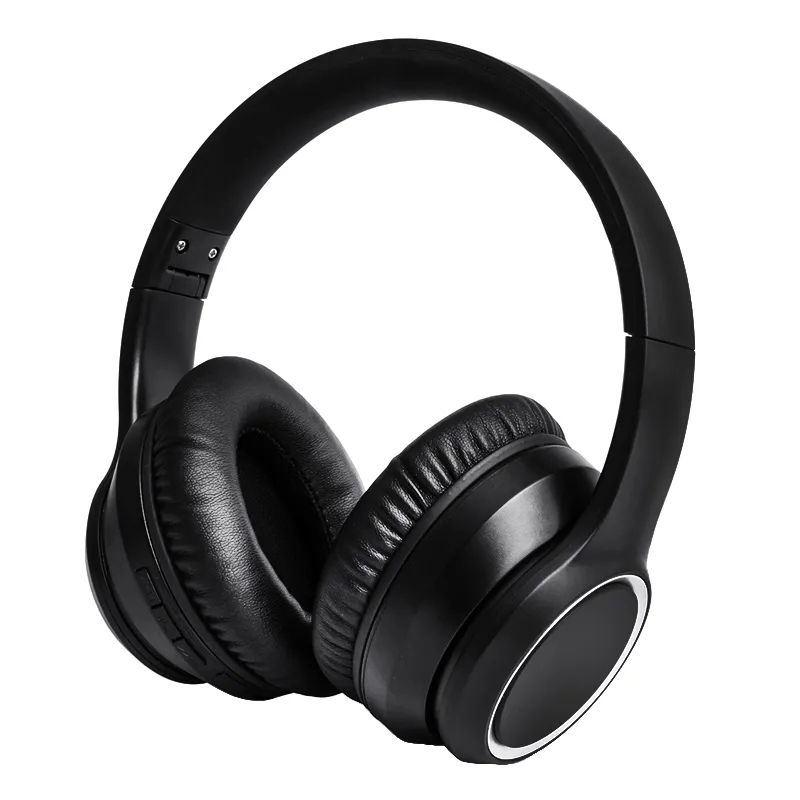
Sound and bass
Over-ear headphones use larger cups and drivers, which often gives bass a roomier, more impactful feel. The cups also create a physical seal around the ear.
In-ear models can sound detailed and punchy, but the small size can limit how full the low end feels. Fit in the ear canal strongly affects bass.
Comfort over time
Padded over-ear cups spread pressure around the ear rather than inside it, which many people find easier for long sessions of music or work.
In-ear styles are lighter, but some wearers find them tiring after hours, depending on ear shape and tip fit.
Noise control and portability
Over-ear designs block outside sound passively and can add active noise cancelling, as in the Noise Cancelling Deep Bass Headphone Stereo Over-Ear Headset. That helps on commutes and trips.
In-ear models fit in a pocket and suit workouts or quick errands, where carrying a larger headset is inconvenient.
Which should you pick?
Choose over-ear if you listen at a desk, at home, while traveling or want stronger bass and comfortable padding.
Choose in-ear if you need maximum portability for movement-heavy days. Many people keep both for different situations.
FAQ
Which has better bass, over-ear or in-ear?
Over-ear headphones typically deliver a fuller bass feel because of larger drivers and a cup that surrounds the ear.
Are over-ear headphones good for travel?
Yes, especially with noise cancelling, though they take more bag space than in-ear models.
Which is more comfortable for long use?
Many people find padded over-ear cups more comfortable for long sessions, but personal fit varies.
Also worth reading: Noise Cancelling Headphones for Bass · How to Choose Bass Headphones