How to Choose Bass Headphones: A Buyer's Guide
Choose bass headphones by matching sound profile, fit and use case to how you listen. Focus on comfort, noise control and the music you play most.
Start with your listening habits
Ask what you play most. Hip-hop, electronic music, pop and action films benefit from a bass-forward sound. Acoustic, classical or jazz listeners may prefer a more balanced profile.
Also decide where you listen: commuting, travel, home or at a desk. Your answer will guide the other choices on this list.
Over-ear versus smaller styles
Over-ear headphones surround the ear with a cushioned cup. This usually gives more room for bass and more comfort over long sessions than small in-ear styles.
The tradeoff is size: they are bulkier to carry. If you value sound impact and comfort over pocket size, over-ear is a sensible choice.
Noise cancelling and comfort
Noise cancelling helps in noisy places because it reduces constant background sound that hides low notes. Padding and cup shape decide whether you can wear headphones for hours.
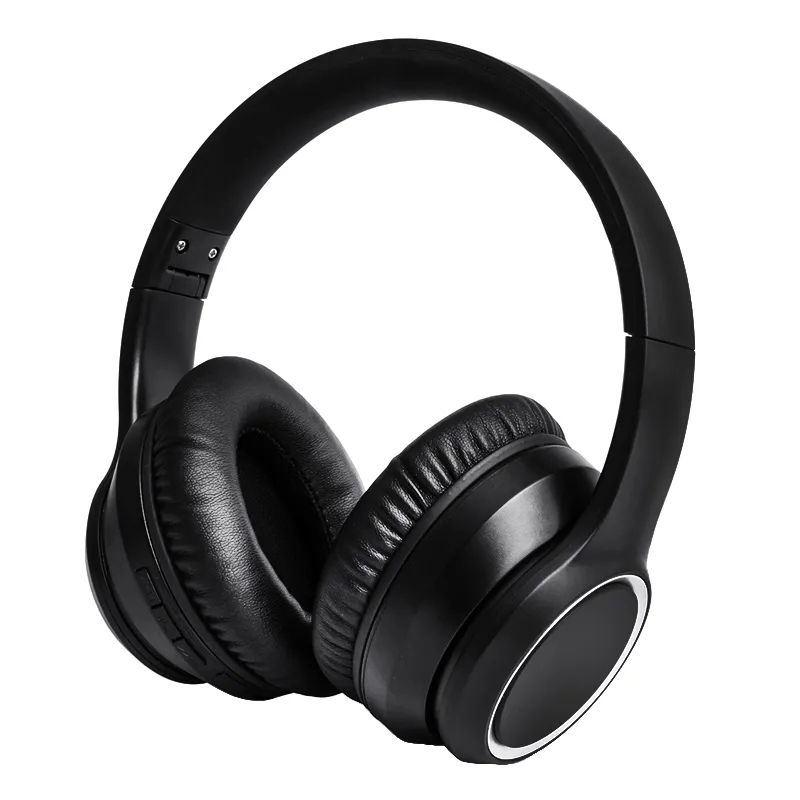
The Noise Cancelling Deep Bass Headphone Stereo Over-Ear Headset pairs noise cancelling with padded ear cups for music, movies or work.
Common mistakes to avoid
Do not assume more bass always means better sound. Overly boomy tuning can blur vocals. Look for a profile that keeps stereo detail while adding weight.
Do not ignore fit either. Cups that press too hard or sit too loose will change both comfort and how the bass feels.
FAQ
Do bass headphones damage hearing?
Any headphones can be uncomfortable at very high volume. Keep the volume moderate and take breaks when listening for long periods.
Is noise cancelling necessary?
Not always, but it is useful for commuting and travel where background noise is constant.
Are bass headphones good for movies?
Yes, the added low end can make explosions and soundtracks feel fuller.
Also worth reading: Noise Cancelling Headphones for Bass · Over-Ear vs In-Ear Headphones