Portable Blender vs Countertop Blender: Which Should You Choose?
Choose a portable blender if you want single-serve drinks, easy storage and the freedom to blend away from an outlet. Choose a countertop blender if you cook for several people or blend tougher ingredients often.
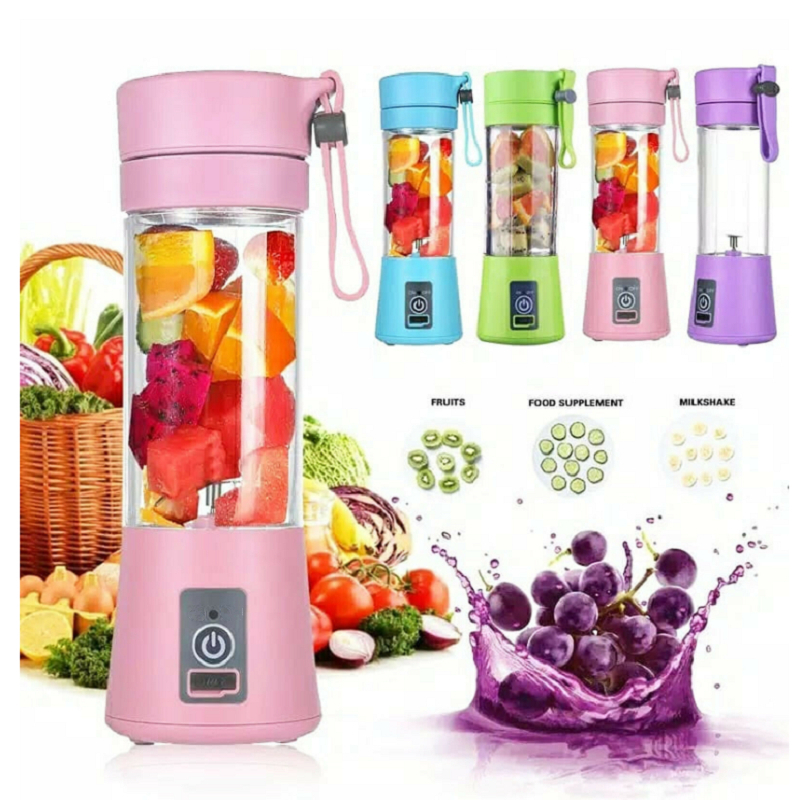
Size and storage
A countertop blender has a large jug and a heavy base, so it needs space on the counter or in a cupboard. A portable blender is small enough for a drawer, a bag or a desk.
This matters in small kitchens, shared flats and offices. The Portable USB Mini Blender takes up little room, which makes it easy to keep close at hand for quick drinks.
Power and where you can use it
Countertop models plug into a wall outlet, which suits steady use at home. A portable blender runs on a rechargeable battery, and the Portable USB Mini Blender charges through USB.
That means you can blend at work, in a hotel or outdoors without searching for a socket. The trade-off is that a small battery-powered device is designed for short jobs rather than long sessions.
Batch size and ingredients
A large jug is useful for family smoothies, soups, sauces and bigger batches. A portable blender makes one serving, which is enough for one person but not for a group.
For ingredients, a mini blender is best with soft fruit, liquids and shake powders. If you regularly want to crush ice, blend leafy greens in volume or make thick mixtures, a countertop machine is the safer choice.
Cleaning and daily convenience
Fewer parts and a smaller cup make a portable blender quick to rinse, so it is easy to use even when you are in a hurry. A countertop blender has a larger jug and often more pieces to wash.
Some people keep both: a countertop blender for family cooking and a portable one for individual drinks. If you only need quick single servings, a portable blender may be all you need.
FAQ
Is a portable blender as powerful as a countertop blender?
Usually not. Portable blenders are made for small, soft jobs, while countertop blenders handle larger batches and tougher foods.
Which is better for an office?
A portable USB blender is generally more practical because it is small, needs no outlet while in use and is easy to rinse.
Can a portable blender replace a regular blender?
Only if you mainly make single-serve smoothies and shakes. For family meals or heavy use, a countertop blender is a better fit.
Also worth reading: Portable USB Blender for Smoothies · How to Use a Portable Blender Step by Step