
How to Use the Torque Setting on a Screwdriver
Start with the lowest torque setting, test on scrap material and increase one step at a time until the screw sits flush without stripping. This simple routine protects both screws and the surface you are working on.
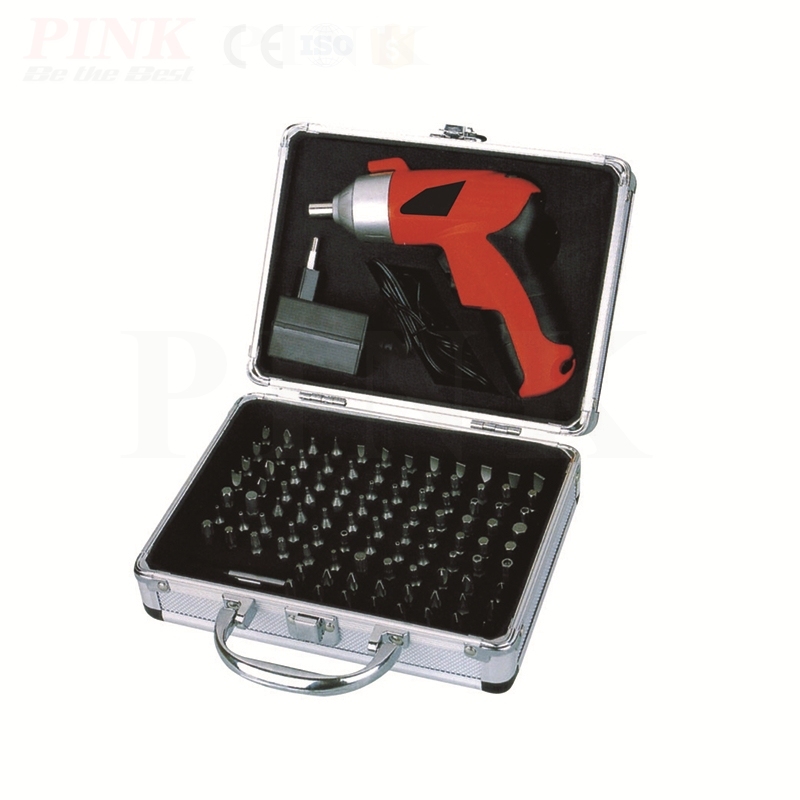
What the torque setting does
The torque setting limits how much twisting force the screwdriver delivers. When the screw meets that resistance, the clutch slips with a clicking sound instead of forcing the screw further.
This stops you from over-tightening, which is a common cause of stripped screw heads, damaged threads and split wood. On a tool such as the Torque Electric Screwdriver, the adjustable settings let you match this limit to the job.
Step-by-step: finding the right setting
First, choose a bit that fits the screw head snugly. Set the torque to its lowest level and drive a test screw into a scrap piece of the same material.
If the clutch clicks before the screw is fully seated, raise the setting by one step and try again. Stop when the screw sits flush and firm. Write down or remember that level for similar jobs so you do not need to repeat the test every time.
Matching torque to material
Soft materials such as thin plywood, particle board and plastic need lower settings, because they crush or crack easily. Denser materials such as hardwood usually need a higher setting, and pre-drilling a pilot hole helps.
Small screws also call for lower torque than long ones. When in doubt, go lower and finish the last turn by hand with a manual screwdriver for extra control.
Common mistakes to avoid
Pressing too hard while driving can make the bit slip out of the screw head, known as cam-out. Apply steady, straight pressure instead.
Another mistake is using the highest setting for everything because it feels faster. That often ruins screws in delicate projects. Keep bits in good condition, since worn bits slip more easily and damage screw heads regardless of the torque level.
FAQ
What torque setting should I start with?
Start with the lowest setting and increase one step at a time. Test on scrap material first.
Why does my screwdriver click and stop?
That is the clutch engaging when the torque limit is reached. Raise the setting slightly if the screw is not fully seated.
Do I need to pre-drill?
For hardwood or screws near the edge of a board, a pilot hole reduces splitting and makes driving easier.
Also worth reading: Cordless Electric Screwdriver for Home Use · Electric vs Manual Screwdriver: Which to Pick