How to Practice Boxing at Home: A Beginner's Guide
You can practice boxing at home with a small space, a clear plan and one piece of equipment that gives you something to react to. Start with stance and basic punches, then add combinations and reaction drills as your timing improves.
Set up a safe training space
Pick an area where you can extend your arms fully without hitting furniture. Use a stable, non-slip floor and wear shoes that let you pivot comfortably.
Keep the space clear of cables, rugs and anything you could trip over. Good lighting helps, and so does a bit of ventilation, since boxing drills get your heart rate up quickly.
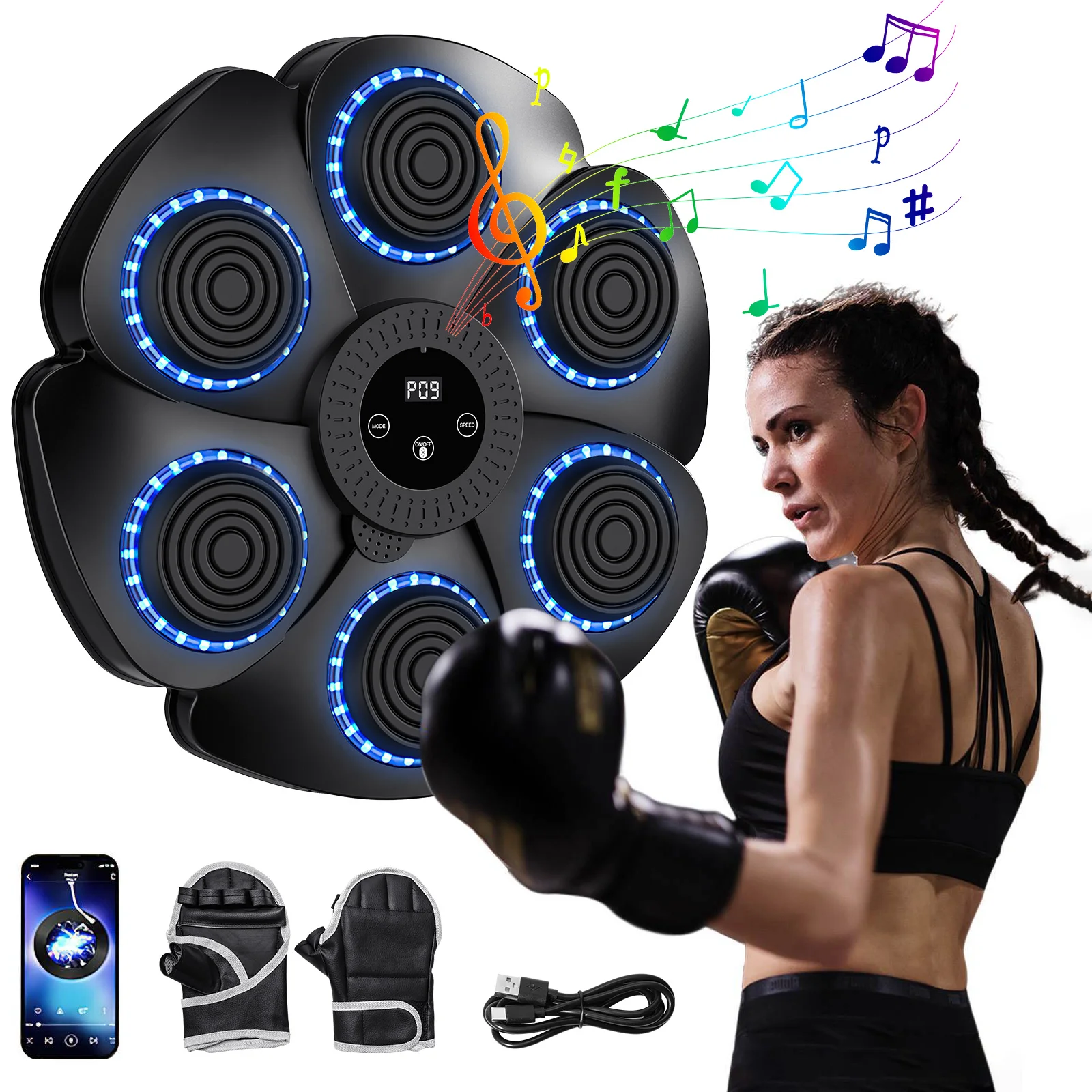
If you want a target to train against, a compact option like the Boxing Trainer Device is easy to set up and store, so your living room can turn into a practice space in a few minutes.
Learn the basics first
Begin with your stance: feet roughly shoulder-width apart, knees slightly bent, hands up near your chin. From there, practice the jab, the cross and a simple one-two combination.
Go slowly and focus on posture and balance. Many beginners rush and lose form, which makes drills less useful. Shadow boxing in front of a mirror is a good way to check your guard and footwork.
A short session of a few rounds is enough at the start. Rest between rounds and stop if something hurts.
Add combinations and reaction drills
Once the basics feel natural, string punches together into short patterns, such as jab, cross, jab or one-two followed by a step back. Repeat each pattern until it flows.
Reaction drills come next. The Boxing Trainer Device is built for practicing punching combinations and reaction drills, so you can work on responding rather than just repeating a fixed routine.
Keep your guard up between strikes and breathe steadily. Change the order of your combinations from round to round to keep your mind engaged.
Keep your practice consistent
Short, regular sessions usually beat occasional long ones. Pick a few set days, write down the combinations you want to work on and note what felt difficult.
Warm up before you start and cool down afterward with light stretching. If you are new to exercise or have health concerns, talk to a professional before beginning.
Over time, you can lengthen rounds, add new combinations or combine boxing practice with other cardio to keep your routine varied.
FAQ
What equipment do I need to practice boxing at home?
At minimum you need space and comfortable shoes. A target device such as the Boxing Trainer Device adds something to hit and react to.
How often should a beginner practice?
Short sessions a few times a week are a common starting point. Listen to your body and build up gradually.
Can I learn boxing without a coach?
You can practice basics and drills on your own, but a coach helps with technique and feedback. Use home training as a supplement.
Also worth reading: Boxing Trainer for Home · Boxing Trainer vs Punching Bag