How to Practice Boxing at Home: A Practical Beginner Guide
You can practice boxing at home with a small clear space, a simple routine and a tool that gives you something to react to. Focus on stance, basic combinations and timing first, then build speed.
Prepare your space
You need less room than you might think. Clear an area where you can step forward, back and side to side without hitting furniture. Check the ceiling height and keep fragile items out of reach.
Choose a non-slip surface. If you train in shoes, pick a pair with good grip and flat soles. Keep water nearby and wear clothing that lets you move your arms freely.
If you live in an apartment, light footwork and controlled punches are easier on neighbors than heavy stomping, so keep your movement tidy.
Learn the basics first
Start with your stance: feet roughly shoulder-width apart, knees slightly bent, hands up near your chin. Practice the jab and the cross slowly, focusing on straight lines and returning your hands to guard after each punch.
A mirror helps you check your form. Do not rush into speed. Clean technique matters more than power in the beginning.
Once the basics feel natural, link them into two- and three-punch combinations. Repeat each one many times before adding something new.
Add timing and reflex work
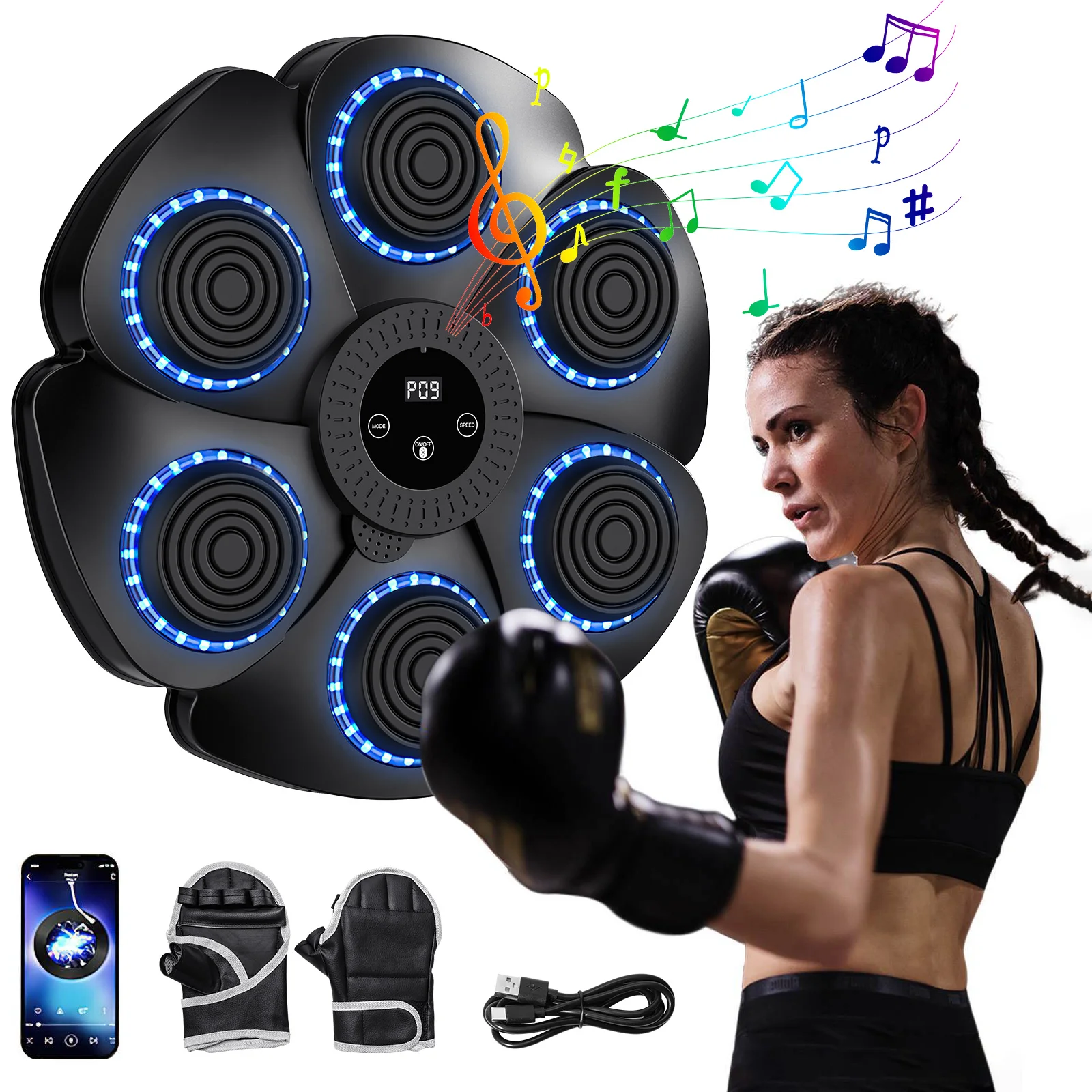
Shadowboxing builds form, but it gives you nothing to react to. A tool like the Boxing Trainer Device lets you practice combinations, timing and reflexes at home, which makes sessions more interactive.
Because it is compact, you can set it up quickly and store it afterward, so it is easier to train regularly.
Use it for short rounds and focus on rhythm. Aim to stay relaxed between punches rather than tensing up, which helps you keep going longer.
Build a simple weekly routine
Consistency beats intensity. Plan a few short sessions each week rather than one long one. A basic session could be a warm-up, several rounds of combinations, and a gentle cool-down.
Write down which combinations you worked on so you can see progress in how smooth they feel. Change one thing at a time, such as speed or the number of punches.
If you are new to exercise or have any health concerns, check with a professional before starting, and stop if you feel pain.
FAQ
Can I learn boxing at home without a coach?
You can practice basics, combinations and timing on your own, but a coach can correct your technique in ways a solo routine cannot.
What equipment do I need to start?
A clear space and comfortable clothing are enough to begin. A tool like the Boxing Trainer Device adds timing and reflex practice.
How often should I practice?
Short, regular sessions are easier to keep up than rare long ones. Pick a schedule you can realistically maintain.
Also worth reading: Boxing Trainer for Home · Boxing Trainer vs Punching Bag