How to Choose Cycling Glasses: A Practical Guide
Choose cycling glasses by checking UV protection first, then lens coating, frame weight and fit. A pair that stays put and does not tire your eyes on long rides is worth more than any extra feature.
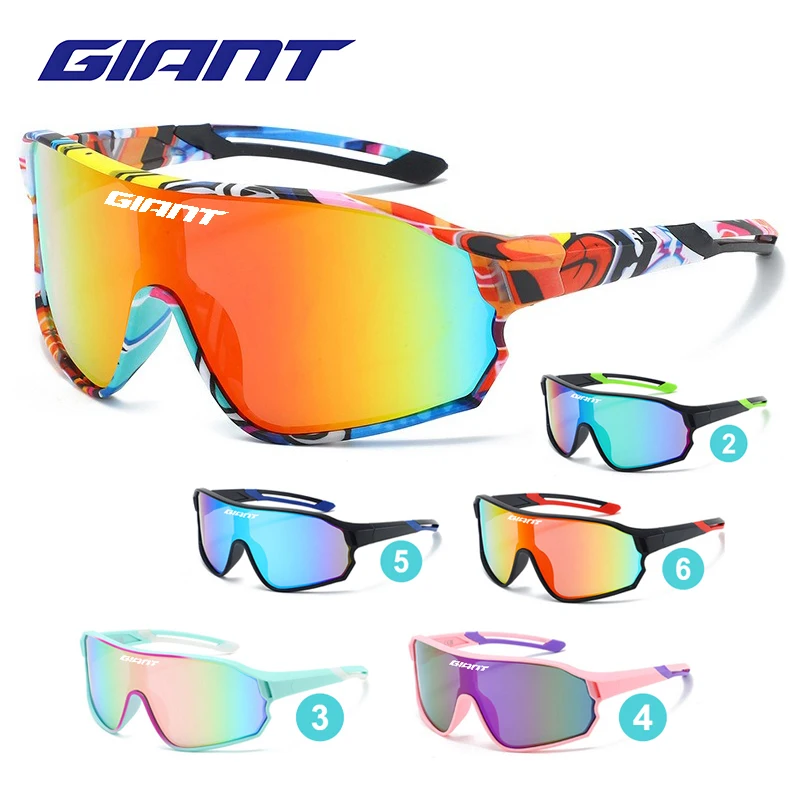
Start with UV protection
Look for a UV400 rating. It means the lenses filter UVA and UVB light, which is the baseline for any sunglasses used outdoors for hours.
Do not judge protection by how dark the lens looks. Tint and UV filtering are different things, so read the product description.
The Cycling Glasses with REVO Lenses, UV400 from Mirrorline state UV400 protection, so they meet this first requirement.
Think about glare and lens coating
Glare from wet roads, pavement or a low sun can make riding uncomfortable. Mirror coatings such as REVO help reduce reflected light before it reaches your eyes.
If you mostly ride on bright days, a mirrored lens is a sensible pick. If you often ride in shade, at dawn or in the evening, a lighter or clear lens may work better, and some riders keep two pairs.
Consider your typical route and time of day before you decide.
Check weight and fit
A lightweight frame is easy to forget on your face, which is exactly what you want over a long ride. Heavy frames tend to slide when you sweat or press on the nose.
Test the fit with your helmet on. The temples should fit under the straps without pressure, and the glasses should not move when you look down or over your shoulder.
This Mirrorline pair has a lightweight frame intended for comfort on longer rides.
A quick checklist before buying
Run through these points: Is UV400 stated? Does the coating suit your usual light? Is the frame light and secure? Does it work with your helmet and cap?
Also think about other uses. If you want glasses for running or hiking too, choose a design that is not tied to one sport.
Answering these questions narrows the choice quickly and avoids buying on looks alone.
FAQ
What is the most important feature in cycling glasses?
UV protection and a secure fit are the basics. After that, choose the lens coating and tint to match the light you ride in.
Should cycling glasses be tight?
They should be snug enough not to slip when you look down or turn your head, but they should not press on your nose or temples.
Do I need mirrored lenses for cycling?
Not necessarily. Mirrored lenses help with glare in bright light, but lighter lenses can suit shade or low light better.
Also worth reading: REVO Cycling Glasses with UV400 Lenses · Mirrored vs Clear Cycling Lenses Compared