
How to Cover a Blister: A Practical Guide
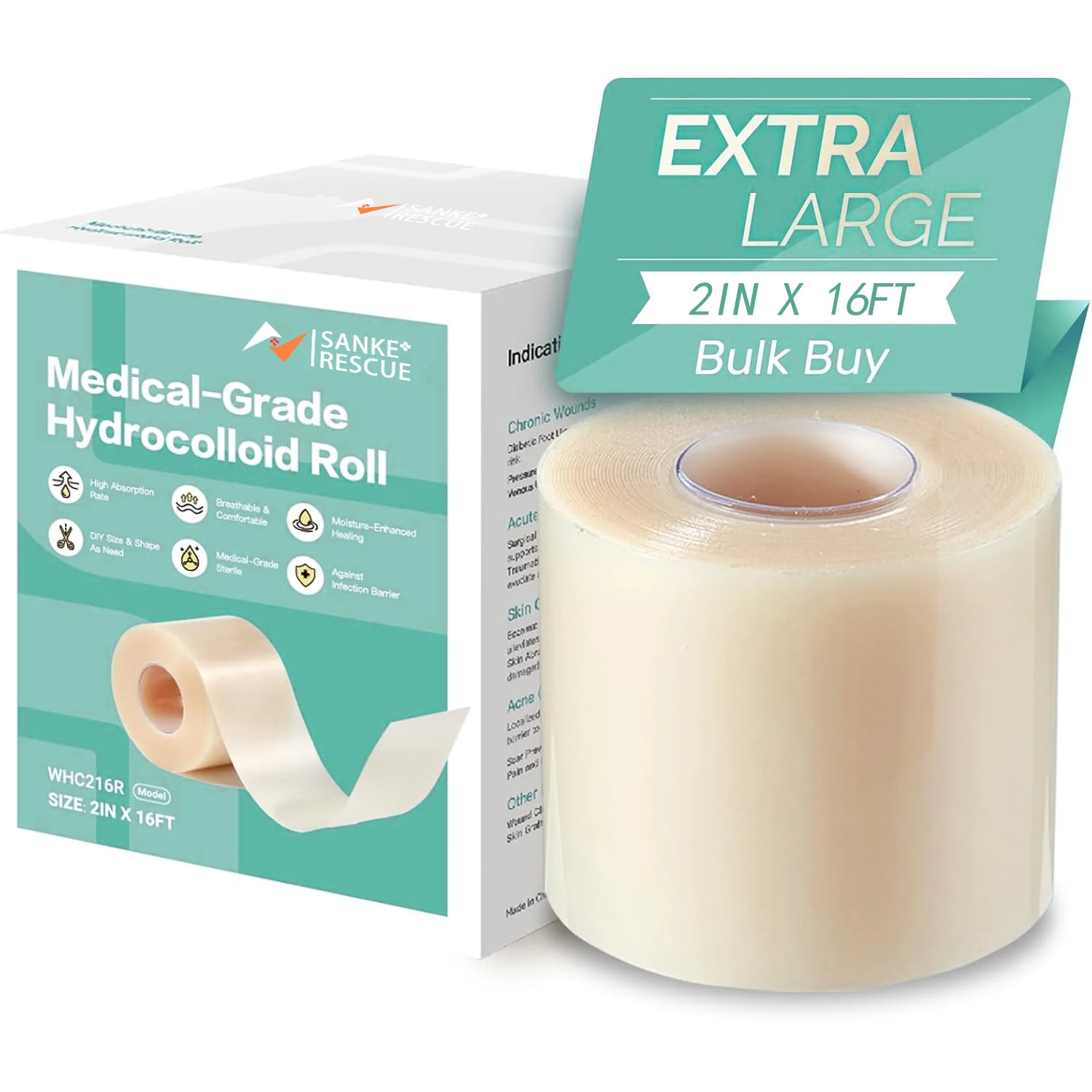
Covering a small blister usually comes down to choosing a dressing that stays in place and fits the spot. A cuttable roll such as our Cuttable Hydrocolloid Wound Dressing Roll lets you size it to the area.
Start with the right setup
Wash your hands and gently clean and dry the skin around the blister. Have your dressing and clean scissors ready before you begin, so you are not handling things with the area exposed.
Think about where the blister is. On a heel or toe, shoes will rub against the dressing, so a piece with smooth, rounded edges is more likely to stay put than one with sharp corners.
Choose a dressing size and shape
The dressing should cover the blister and extend a little onto the surrounding skin. Too small and the edges may not stick; too large and it may wrinkle or bunch inside a shoe.
With a roll, you can cut exactly what you need. Our Cuttable Hydrocolloid Wound Dressing Roll is suited to minor everyday issues such as small blisters or scrapes, and you can trim it for fingers, heels or sides of feet.
Apply it calmly and follow the instructions
Peel the backing carefully, avoid touching the adhesive side with your fingers, and place the dressing without stretching it. Press gently from the center outward so the edges lie flat.
Every product has its own directions on how long to leave it on and when to change it, so follow the usage instructions that come with it. Do not use dressings in ways they are not intended for.
When to get advice
Everyday blisters from new shoes are common, but some situations call for professional input. If you have diabetes, circulation problems, signs of irritation that worry you, or a blister that is large or keeps returning, speak with a doctor or pharmacist.
A dressing is only for minor skin issues, and it is not a replacement for medical advice.
FAQ
Should I cut the dressing to fit a blister?
A piece that covers the blister with a small border of skin around it usually sits best. A cuttable roll lets you trim it to that size.
How do I keep a blister dressing from peeling off?
Apply it to clean, dry skin and round off the corners. Press the edges flat after placing it.
When should I ask a professional about a blister?
If the blister is large, keeps coming back, or you have a condition that affects skin or circulation, ask a doctor or pharmacist.
Also worth reading: Hydrocolloid Dressing Roll, Cut to Size · Hydrocolloid Roll vs Patches: Which to Pick