How Does Noise Cancelling Work in Headphones?
Noise cancelling headphones reduce background sound by working against it, rather than only blocking it with padding. This guide explains the idea, its limits, and what to consider when choosing a pair.
The basic idea
Noise cancelling headphones use small microphones to pick up sound from around you. The electronics then produce a matching sound wave that is the opposite of the incoming noise. When the two meet, they largely offset each other, so you hear less of the background.
This is called active noise cancelling. It is different from passive isolation, which relies on the physical seal of the ear cups and cushions to block some sound.
What it handles well and what it does not
Active noise cancelling is most effective on steady, low-pitched sounds: engine rumble, fans, and air conditioning. Sudden or high-pitched sounds such as speech, keyboard clicks, or alarms are harder to reduce.
For that reason, you should expect quieter surroundings rather than complete silence. Good ear cup fit also matters, because a better seal improves the overall result.
Why over-ear design matters
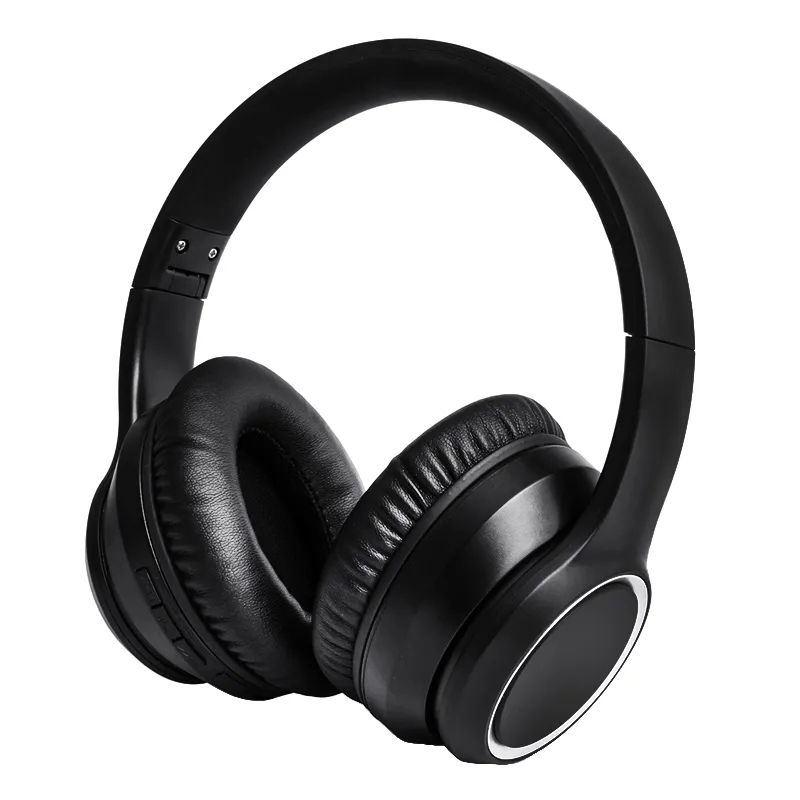
Over-ear headphones surround the ears with cushioned cups, which adds passive isolation on top of the active system. The Noise Cancelling Deep Bass Headphone Stereo Over-Ear Headsets use this layout with padded ear cups and an adjustable headband, so you can adjust the fit for a snug, comfortable seal.
Because background sound is reduced, you may not need to turn the volume up as much to enjoy bass-heavy music.
What to check before buying
Think about where you will wear them most: commute, flights, office, or home. Steady environments benefit most from noise cancelling.
Then look at comfort features such as cushioning and headband adjustment, and confirm the connection and power details on the product page. A tuning geared toward deep bass is a matter of taste, so match it to the music you play most often.
FAQ
Does noise cancelling need power?
Active noise cancelling uses electronics, so it needs power to work. Check the product page for power details of your model.
Is noise cancelling the same as noise isolation?
No. Isolation is passive blocking through padding and fit, while noise cancelling actively counters incoming sound with electronics.
Can noise cancelling block voices?
It reduces them less effectively than steady low sounds. Padded over-ear cups still help muffle some speech.
Also worth reading: Noise Cancelling Headphones Deep Bass · Over-Ear vs In-Ear Headphones