How to Choose Over-Ear Headphones: A Practical Guide
Choosing over-ear headphones comes down to four things: how you use them, the sound you like, how well they fit, and whether you need noise cancelling. Work through these in order and the shortlist gets small quickly.
Start with where you will use them
Think about your main setting. For commuting or flights, noise cancelling and a closed-back design matter most. For home listening, comfort and sound character matter more than isolation.
If you share a space, closed ear cups also keep your music from leaking out as much. Write down your top two situations before comparing models, so features do not distract you.
Pick a sound profile
Headphones are tuned differently. Some are neutral, others emphasize bass or treble. If you enjoy hip-hop, electronic music or cinematic soundtracks, a bass-focused tuning gives that weight out of the box.
If you listen to vocals, acoustic or classical music, a balanced sound is often more pleasant. Listening with songs you know well is the best test, and an equalizer in your player can adjust the result.
Check fit and comfort
Look for padded ear cups, an adjustable headband and a weight that does not strain your neck. Make sure the cups fully surround your ears and the band does not squeeze too hard.
If you wear glasses, tight cups can press on the frame arms. Adjust the headband at the start so the pressure is spread evenly, and take short breaks during long sessions.
A model to consider
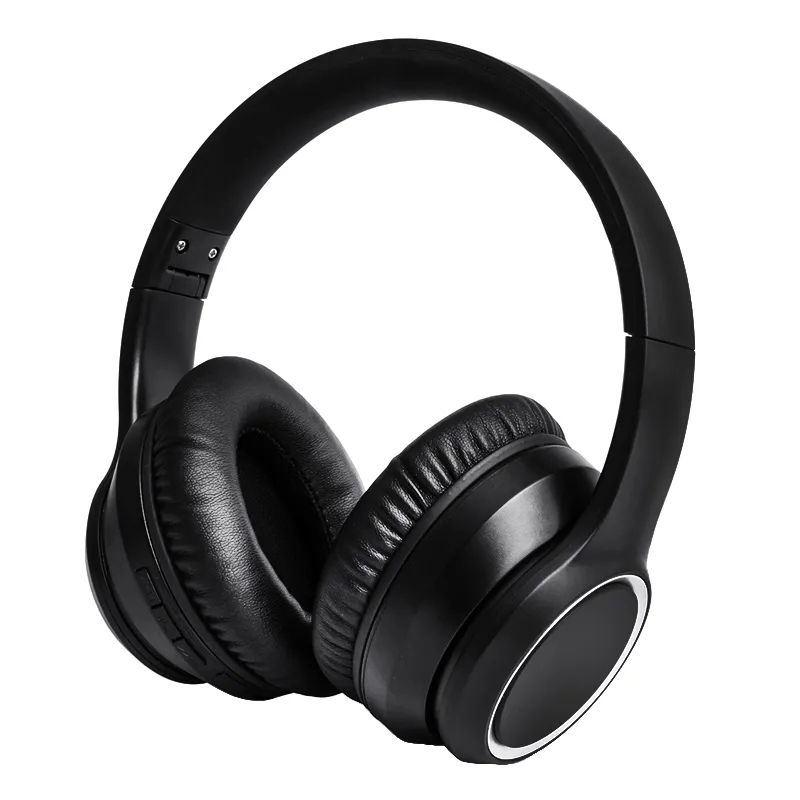
The Noise Cancelling Deep Bass Headphone Stereo Over-Ear Headset covers the points above: over-ear stereo sound, noise cancelling, a bass-focused profile, padded cups and an adjustable headband.
It fits listeners who want a punchy sound and calmer surroundings. If you prefer a flat, studio-style sound, weigh that against its bass emphasis.
FAQ
What is the difference between over-ear and on-ear headphones?
Over-ear cups surround your ears, while on-ear cups rest on them. Over-ear designs usually isolate more and can feel less pressing.
Do I need noise cancelling?
It helps in steady noise such as trains, planes and offices. At home in a quiet room, it is less important.
How do I know if headphones fit well?
The cups should cover your ears without pinching, and the band should feel even without a pressure spot on top of your head.
Also worth reading: Noise Cancelling Bass Headphones · Bass Boosted vs Balanced Headphones