How to Choose Bass Headphones: A Practical Buyer Guide
Choosing bass headphones comes down to four things: the sound profile, the fit, how much outside noise you want to block and where you will use them. Work through these points and you can narrow the choice quickly.
Start with the sound profile
Bass headphones are tuned to emphasize low frequencies, which gives kicks, basslines and film effects more weight. That is great for electronic music, hip-hop and pop, but it can make some recordings sound heavier than the artist intended.
Decide what you mostly listen to. If most of your playlist is bass-driven, a bass-focused model will feel satisfying right away. If you listen to acoustic or classical music, you may want something more balanced.
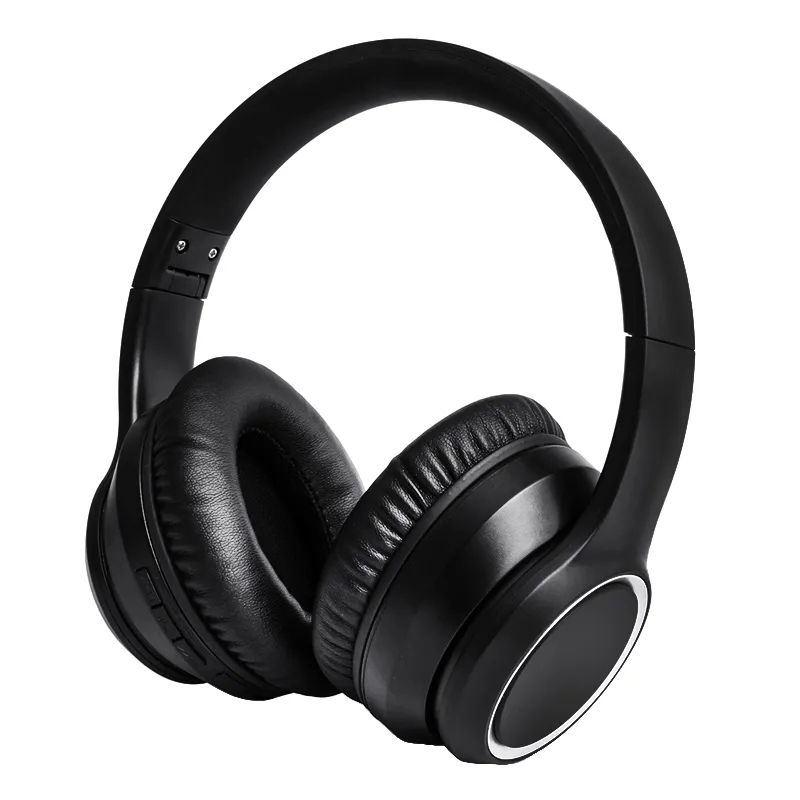
The Noise Cancelling Deep Bass Headphone Stereo Over-Ear Headset is an example of a stereo headset tuned with the bass in mind.
Check fit and comfort
Bass is felt as much as heard, and a good seal around the ear helps. Over-ear cups that surround the ear tend to create that seal while spreading pressure across padding.
Look for padded ear cups if you plan to wear the headphones for long stretches, such as a workday or a long commute. Think about whether you wear glasses or have a small or large head, since these affect how comfortable any pair feels.
The over-ear headset in our store uses padded ear cups designed for comfortable wear at work, at home and on the go.
Consider noise cancelling and use cases
Noise cancelling reduces steady background sound, so you can hear bass detail without turning up the volume. That is useful on trains, buses and in open offices.
Then think about extras. If you take calls, choose a headset rather than headphones alone. If you travel, consider the size of the headphones and whether they fit your bag.
Finally, compare what you need with what the product page lists. Our Deep Bass Over-Ear Headset covers noise cancelling, stereo sound and calls, which makes it a flexible option for everyday use.
FAQ
Do bass headphones sound bad for other music?
They emphasize low frequencies, so some music can sound heavier than intended. Many people enjoy them across pop, hip-hop and electronic, but acoustic fans may prefer a balanced sound.
Does noise cancelling help with bass?
It reduces background noise, so low-end detail can be easier to hear at a lower volume. It does not change the tuning of the headphones itself.
Should I pick over-ear or in-ear for bass?
Both can deliver bass. Over-ear models offer larger cups and padding, which many people find more comfortable for long sessions.
Also worth reading: Noise Cancelling Over Ear Headphones · Over Ear vs On Ear Headphones